

If you’re into U.S. coin collecting, odds are you’ve heard whispers about the legendary 1873-CC No-Arrows Dime. It’s a coin shrouded in mystery, dramatic history, and sky-high value. This dime isn’t just rare—it’s singular in its kind, and its story reads like a numismatic thriller. If you’re lucky enough to own one, you’re holding one of the most desirable coins in American numismatics.
Let’s unpack what makes the 1873-CC No-Arrows Dime so extraordinary, how it came to be, what’s known about it, and why collectors are still chasing it today.
A Snapshot: Why the 1873-CC No-Arrows Dime Matters
The 1873-CC No-Arrows Dime draws attention for several reasons:
- It was struck at the Carson City Mint (mint-mark “CC”), giving it the allure of the Old West.
- It belongs to the Seated Liberty dime series, but with a crucial variation: no arrows at the date. That variation makes it unique.
- Only one known example exists today—making it essentially a one-of-a-kind coin in the dime category.
- Its value is astronomical, reaching into the millions of dollars in auction.
In short: the 1873-CC No-Arrows Dime isn’t just a rare date—it’s a singular icon in U.S. coinage.
The Historical Backdrop
To fully appreciate the significance of the 1873-CC No-Arrows Dime, we need to understand the setting. The dime in question belongs to the Seated Liberty dime series, which ran from 1837 through 1891. The design reflects Liberty seated with a shield, and the reverse features a wreath.
In 1873, the U.S. Mint made adjustments in response to silver-coinage legislation (including the Coinage Act of 1873) and to correct for weight changes of subsidiary silver coins. The “arrows” at the date on some coins signified a weight change in earlier years; the absence of arrows meant continuity of an older standard.
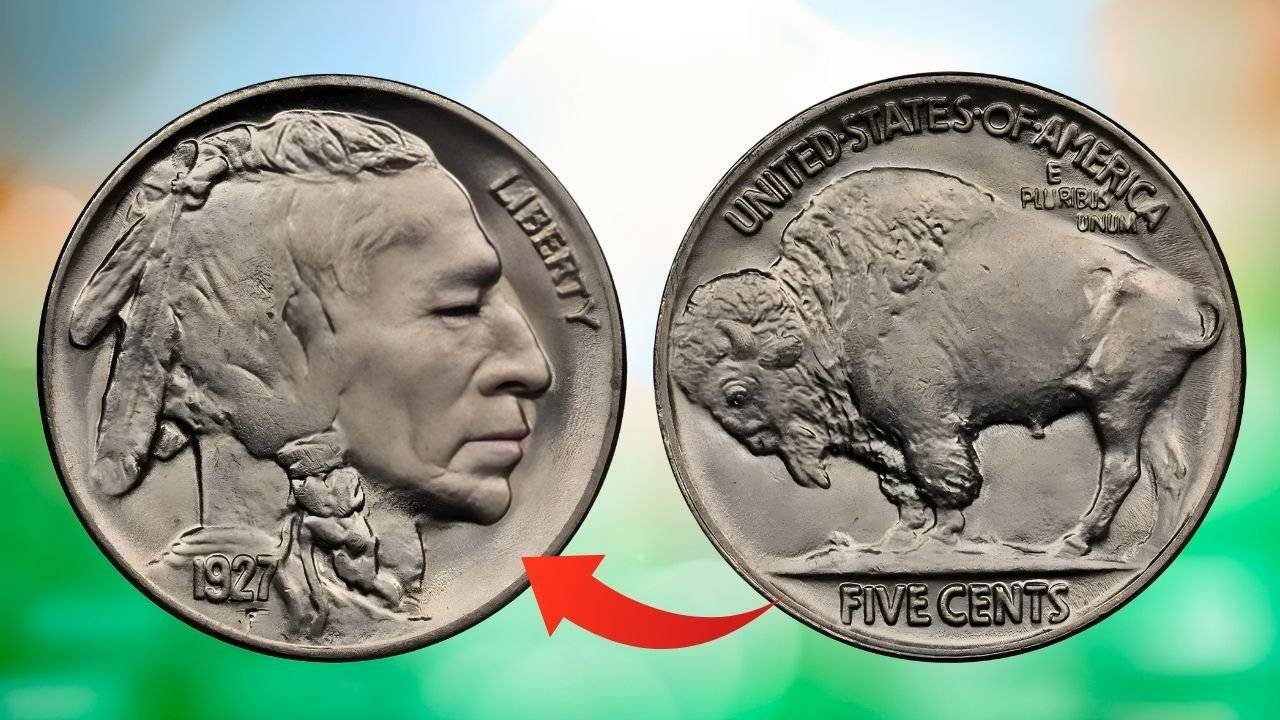
At the Carson City Mint (CC), the production of the 1873 dime took place, including early strikes without the arrows and later strikes with the arrows. The “No Arrows” version of the 1873-CC dime is the early struck type—supposedly only 12,400 were struck before the arrows dies were introduced.
Then, most of those No Arrows dimes were melted or never released. What remains is the single known specimen of the 1873-CC No-Arrows Dime, making it one of the rarest coins in U.S. history.
The Legend of the 1873-CC No-Arrows Dime
Numismatists refer to the 1873-CC No-Arrows Dime as the “Gem in the Crown” of rare dimes. Here’s how the story unfolds:
- The Carson City Mint produced what were thought to be 12,400 dimes under the old weight standard (2.48 grams) and without arrows at the date.
- Soon afterward, the Mint changed the weight standard and added arrows at the date on the 1873 and later dimes. The “With Arrows” version entered circulation, while the No Arrows version largely did not.
- Apparently, nearly all of the No Arrows pieces were melted. Only one known specimen survived. That specimen passed through some of the most prestigious U.S. collections—including those of Louis E. Eliasberg Sr. and other numismatic giants.
- Auction records show its value skyrockets. At one major auction it realized a multi-million-dollar price.
In other words: when you speak of the 1873-CC No-Arrows Dime, you’re talking about a coin that is effectively unique in the dime series.
What Makes the 1873-CC No-Arrows Dime Unique
Let’s break down the key features that define the 1873-CC No-Arrows Dime.
1. Mint Mark and Origin
This dime was struck at the Carson City Mint in Nevada—marked “CC”. Coins from Carson City are always collectible due to their lower mintages and frontier-mint heritage. The 1873-CC No Arrows dime carries the CC mark.

2. No Arrows at the Date
On Seated Liberty dimes, “arrows” are small arrowheads flanking the date, used in years where a weight change occurred. The 1873-CC No-Arrows Dime lacks those arrows, signaling it was minted before the weight adjustment.
3. Extremely Low Survival
While 12,400 may have been struck, early melting and lack of circulation mean only one known piece remains. One coin equals “unique” status. That alone gives it legendary value.
4. Condition and Pedigree
The surviving specimen is well-documented, with provenance through major collections. The sharpness, patina, and original surfaces all matter hugely. Because there’s only one example, condition plays a massive role—no second coin to compare.
Also Read – 2026 RAM 3500 US Truck – The King of American Roads Returns with Power, Luxury, and Purpose
“How Much Is It Worth?” – Value of the 1873-CC No-Arrows Dime
With only one known example, the value of the 1873-CC No-Arrows Dime is less about a range and more about its record sale history. For example, in one auction the coin sold for well over $1 million, and later even higher.
Because it’s unique, its value isn’t determined by a “typical grade” or “typical market” — there’s no second similar coin to benchmark. Instead, the value reflects its singular status, historical importance, condition, and collector demand.
For comparison, other Seated Liberty dimes are valued in ranges depending on grade and rarity, but the 1873-CC No-Arrows Dime stands alone. If you ever see a collection advertisement referencing it, expect an astronomical number.
How to Spot or Authenticate the 1873-CC No-Arrows Dime
While realistically finding or buying the 1873-CC No-Arrows Dime may be outside most collector budgets, understanding how to spot and authenticate it is still valuable knowledge.
- Mintmark: A clear “CC” under the wreath on the reverse side.
- Date and Arrows: The date “1873” appears without arrows on either side of it. A version with arrows is a different variety (more common).
- Weight and Alloy: The “No Arrows” variety was struck to the old weight (2.48 grams) before the weight change. The With Arrows version later was at 2.50 grams.
- Pedigree / Provenance: Because there is only one known example, documented origin and previous owners are critical. Any coin claimed to be a second one should raise extreme skepticism.
- Condition and Strike Details: Sharpness of Liberty’s figure, crisp reverse, full wreath detail, and no major damage or polishing. For such a rarity, any deviation could dramatically affect value.
Because of the coin’s extreme rarity and public fascination, rigorous authentication by major grading services and numismatic experts is essential.
Why the 1873-CC No-Arrows Dime Holds Its Power in the Market
Several factors contribute to why the 1873-CC No-Arrows Dime retains such appeal and value:
- Uniqueness: With only one known example, it is effectively a one-of-a-kind.
- Historical Significance: It sits at a pivotal moment in U.S. coinage history (the Coinage Act of 1873 and silver weight changes) and from the famed Carson City Mint.
- Collector Passion: Rare and unique coins from CC mint are passionately chased by high-end collectors.
- Provenance and Prestige: Long history of ownership by prominent collections gives it acclaim.
- Market Scarcity: Since there’s no “second specimen”, market supply is zero—demand drives value relentlessly.
In many ways, the 1873-CC No-Arrows Dime is a trophy coin that transcends typical collecting—it belongs to the elite realm of legendary U.S. coins.
What If You Have a Carson City Dime?
If you have a Seated Liberty dime marked “CC” from 1873, here are some realistic considerations:
- If your coin does have arrows at the date, it is the more common “With Arrows” variety, which has its own value but is far less rare than the No Arrows version.
- If it lacks arrows and claims to be the “No Arrows” version, you’ll need serious expert verification because the known surviving specimen is unique.
- Be prepared for grading and authentication costs if you suspect you may have something special. Mistakes and fakes can be prevalent around high-value rarities.
- Regardless of rarity, condition always matters. Even a rare date poorly preserved will fetch much less than a well-struck, clean example.
Final Thoughts
The 1873-CC No-Arrows Dime occupies a very special place in American numismatics. It’s rare. It’s historical. It’s unique. For collectors, owning it would be akin to owning a piece of legend.
While most of us will never hold it, understanding its story gives us deeper appreciation of coin collecting, how subtle design changes become major rarities, and how history, minting policy, and sheer survival shape value.
If you’re building a high-end coin collection, the 1873-CC No-Arrows Dime is a coin whose name alone commands respect. If you’re a more casual collector, it’s a fascinating example of how coins aren’t just small pieces of metal—they’re mini time-machines, silent witnesses of history.
So next time you’re at a coin shop, browsing through old dimes, take a moment to reflect on the legacy behind each coin. And who knows? Maybe one day you’ll pass by something that shouldn’t be there—just like the one-of-a-kind 1873-CC No-Arrows Dime.
Some Important Link
| Download News APP | Click Here |
| WhatsApp Group | Click Here |
| Home Page | Click Here |