

In the world of coin collecting, surprises can appear in the most unexpected places—sometimes even in your pocket change. One such surprise is the rare Bicentennial Quarter, a special coin minted in 1976 to celebrate America’s 200th year of independence. While millions of these quarters were made, a few rare versions are now said to be worth as much as $1 million. Imagine finding one of those while paying for your morning coffee.
This story has captured the attention of collectors and ordinary people alike. The idea that a simple 25-cent coin could hold such enormous value makes many people take a closer look at their spare change. But what makes this quarter so special? Let’s explore everything about the rare Bicentennial Quarter, why it’s valuable, and how you might spot one.
The History Behind the Bicentennial Quarter
The Bicentennial Quarter was introduced in 1975 and 1976 as part of America’s celebration of 200 years of independence. To mark the occasion, the U.S. Mint released redesigned versions of the quarter, half dollar, and dollar coins.
The quarter featured a unique reverse design by Jack L. Ahr, showing a colonial drummer boy and a torch surrounded by 13 stars—symbolizing the original colonies. On the front, the familiar portrait of George Washington remained, but the dates “1776–1976” replaced the usual single year.
Most of these quarters were produced for everyday use, but a few special versions were struck using different materials and minting processes, which makes them extremely rare and valuable today.
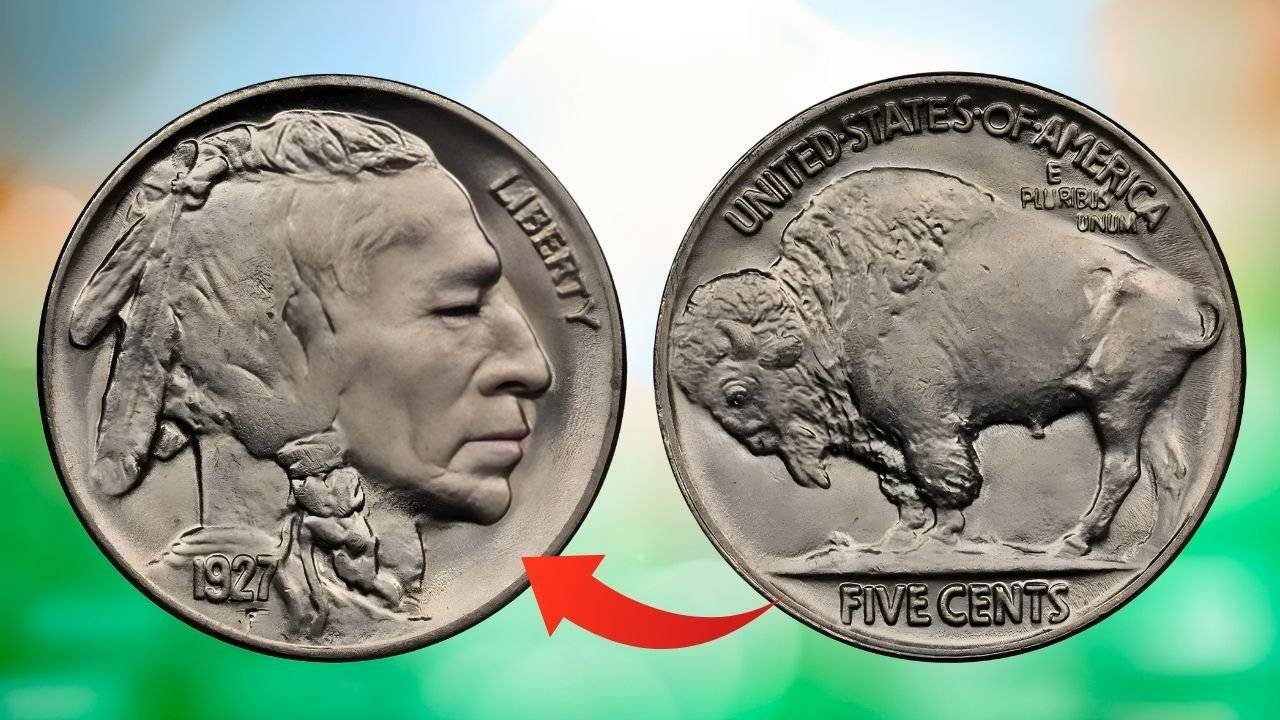
Why Is It Worth $1 Million?
While most Bicentennial Quarters are worth only 25 cents, certain rare editions have drawn massive attention in the collector’s market. The $1 million value is linked to error coins or special minting conditions. These rare versions may include:
- Silver Composition Coins: Some were struck in 40% silver rather than standard copper-nickel, mainly for collector sets.
- Proof and Error Coins: A few proof coins have unique minting errors—such as double strikes, wrong metal composition, or missing details—that make them highly valuable.
- High-Grade Condition Coins: Coins graded as “MS-70” (perfect mint state) by professional services are extremely valuable because of their flawless condition.
The combination of rarity, historical importance, and collector demand has pushed the price of a few of these quarters into the six or seven-figure range.
How to Identify the Rare Bicentennial Quarter
If you want to check whether you have one of these valuable quarters, pay attention to a few key details:
- Check the Mint Mark: Look for “S” (San Francisco Mint), “D” (Denver), or no mark (Philadelphia). The San Francisco mint made many proof and silver versions.
- Examine the Metal: Silver quarters have a distinctive shine and slightly heavier weight than the copper-nickel ones.
- Inspect for Errors: Look for unusual marks, double designs, or irregular edges—these could indicate a rare minting error.
- Condition: A coin in mint or proof condition (not circulated) is far more valuable.
If your coin looks promising, you can get it professionally graded by services like the Professional Coin Grading Service (PCGS) or Numismatic Guaranty Company (NGC).
Overview Table – Key Details of the Rare Bicentennial Quarter
| Feature | Description |
|---|---|
| Coin Name | Bicentennial Quarter (1776–1976) |
| Designer (Reverse) | Jack L. Ahr – Colonial Drummer Boy |
| Designer (Obverse) | John Flanagan – George Washington |
| Mint Locations | Philadelphia, Denver, San Francisco |
| Composition | Copper-Nickel and 40% Silver Versions |
| Special Features | Double strike, wrong planchet, or proof error |
| Potential Value | Up to $1,000,000 (for rare errors/proofs) |
| Common Value | 25 cents to $5 for regular coins |
| Best Condition | MS-70 or Proof State |
| Issued Years | 1975–1976 |
Why Collectors Are So Interested
Collectors value the Bicentennial Quarter for its symbolism and limited-time design. Unlike regular quarters, it represents a national celebration and carries a unique historical identity.

The drummer boy design stands out as one of the few times in U.S. history when a circulating coin featured a non-president figure on the reverse side. That alone makes it a collector’s favorite.
Additionally, the growing popularity of coin collecting, boosted by online marketplaces, has caused the prices of rare coins to skyrocket. Even ordinary people have begun checking their old coins, hoping to find one of these hidden treasures.
Tips to Preserve and Identify Rare Coins
If you believe you have a rare Bicentennial Quarter—or any old coin—here are some basic steps to protect and verify its value:
- Handle Carefully: Always hold coins by the edges to avoid fingerprints or scratches.
- Avoid Cleaning: Cleaning can reduce the coin’s value by damaging the surface.
- Use Soft Containers: Keep coins in protective holders or plastic flips to avoid air exposure.
- Get a Professional Appraisal: Always get your coin evaluated by a certified numismatist before selling.
- Stay Updated: Market prices can change, so keep track of auction results and coin news.
Where You Might Still Find It
It may sound unbelievable, but some of these coins could still be in circulation today. Many people in the 1970s collected Bicentennial Quarters as souvenirs and later spent them unknowingly.
Checking old jars of coins, inherited collections, or bank rolls might reveal a hidden treasure. While the chance of finding a million-dollar version is extremely low, discovering even a rare $100 or $500 proof coin can be exciting for any collector.
The Legacy of the Bicentennial Quarter
The Bicentennial Quarter is more than just a coin—it’s a piece of American history. It reminds people of a proud moment when the entire nation celebrated 200 years of independence.
Even today, decades later, this coin continues to fascinate collectors and history lovers alike. Its value, both emotional and financial, has made it one of the most talked-about U.S. coins ever minted.
So next time you receive change at a store, take a closer look at your quarters. You might just be holding a piece of history worth a fortune.
FAQs – The Rare Bicentennial Quarter
1. What makes the Bicentennial Quarter so valuable?
The value comes from rare errors, silver composition, and high-grade condition coins. Only a few special pieces have unique characteristics that make them worth thousands or even a million dollars.
2. How can I tell if my quarter is silver?
Silver quarters have a brighter shine and sound slightly different when dropped. You can also weigh them—silver versions weigh around 5.75 grams, while regular ones weigh about 5.67 grams.
3. Are all Bicentennial Quarters valuable?
No, most are only worth face value. Only certain mint errors or proof coins made of silver hold high collectible value.
4. Where can I sell a rare Bicentennial Quarter?
You can sell it at coin auctions, through certified dealers, or on online platforms like Heritage Auctions or eBay (after professional grading).
5. Can I still find one in circulation?
Yes, though it’s rare. Some of these coins may still be in circulation or hidden in old collections, coin jars, or bank rolls.
Final Thoughts
The rare Bicentennial Quarter is a fascinating reminder that even small things can hold great value. Its story blends history, art, and a touch of luck—showing that treasures can still be found in everyday life. Whether you’re a collector or just curious, it’s worth taking a second look at your spare change. Who knows, that ordinary-looking quarter in your wallet might just be worth a million dollars.